Building the Talent that Powers Innovation in the Rowen Region

Located northeast of Atlanta, Georgia, the Rowen Region is rapidly emerging as a dynamic hub of dreamers, thinkers and doers. With a vision to become a catalyst for top industries, highly skilled talent and a vibrant destination at the epicenter of the Region, Rowen offers 2,000 acres to foster cutting-edge ideas and connect the people who bring those ideas to life.
At the heart of Rowen’s success lies a critical component: workforce development. As industries evolve and new technologies emerge, the demand for a skilled workforce and adaptable talent grows. From lab technicians and agricultural specialists to environmental engineers and data analysts, Rowen’s future depends on an accessible workforce that is as innovative and flexible as the industries it supports.
Fortunately, Georgia’s robust network of technical colleges and customized training programs are rising to the challenge. These institutions are not only preparing students for the jobs of tomorrow but actively shaping the work in Georgia and the Rowen Region.
How Georgia’s Technical Colleges are Advancing the Next Generation of Skilled Workers
Georgia’s commitment to workforce readiness is exemplified by the Technical College System of Georgia (TCSG), a network of 22 colleges offering industry-aligned education and training. In the Rowen Region, institutions like Lanier Technical College and Gwinnett Technical College are offering specialized programs that align with Rowen’s target industries.
Lanier Tech and Gwinnett Tech have become vital partners in developing talent pipelines for advanced technology, cyber and computing, engineering, healthcare and environmental systems. They design their programs in close collaboration with industry leaders to ensure graduates are job-ready from day one.
Athens Technical College also plays a pivotal role, particularly through its collaboration with Georgia Quick Start, the state’s renowned workforce training program. Quick Start has supported major employers, like Alcon and Takeda in the bioscience industry and SK Battery America in the clean technology sector, by launching tailored training initiatives that meet specific business needs.
The state of Georgia is also home to six specialized training centers in advanced manufacturing, aviation, bioscience, cybersecurity, film and fintech. The Georgia BioScience Training Center, for example, offers state-of-the-art technology used in the life sciences industry. Opened in 2015, the 40,000-square-foot facility features a customized program to support the pharmaceutical industry.
These are just a few examples of how technical colleges are working with Georgia’s Quick Start program and training centers to ensure their curriculum aligns with the workforce demands of the future. They not only equip students with technical skills but also foster critical thinking and problem-solving in this rapidly changing and complex economy.
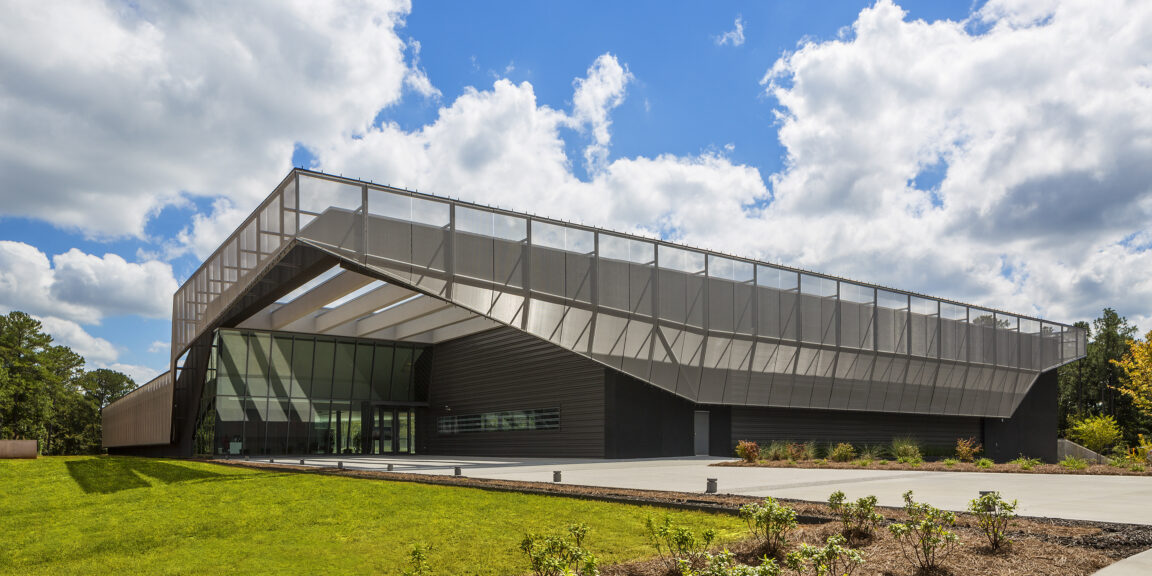
Photo Credit: Georgia Department of Economic Development
Flexible Pathways for Emerging Careers
Degree completions are on the rise in the Rowen Region. In 2022, there were more than 55,000 completions across the region, with business, computer, health, and engineering degrees being the most common. While bachelor’s degrees are the most earned degree, apprenticeships, bootcamps, and certificate programs are becoming increasingly popular, especially among adult learners and career changers. With nearly half (46%) of the growth in Georgia’s prime working age population is expected in the Rowen Region during the next five years, the Rowen Region embraces non-traditional training pathways that offer flexible routes into high-demand careers. In July 2025, the U.S. Department of Labor awarded TCSG $6.1 million to support career paths with apprenticeship options.
One initiative to advance fast-track learning programs is Rowen’s “Living Lab” projects, a partnership with the University System of Georgia, Technical College System of Georgia, and private colleges and universities across the state that allows academic and industry partners to activate Rowen’s 2,000-acre site and create new research and collaboration opportunities.
These real-world research projects provide hands-on learning opportunities for students while contributing to Rowen’s mission of sustainability and educational development. The Living Labs initiative serves as a bridge, from engaging Georgia students in applied learning experiences, to future job placements at Rowen.
Upskilling and Reskilling for a Resilient Workforce
This doesn’t stop at the state level. Georgia’s counties also provide community-led workforce development programs across the state, tailoring each job training program to its local community needs, size and talent pool.
Organizations like Partnership Gwinnett’s Talent Council and the Atlanta Regional Workforce Development Board are leading efforts to provide accessible training opportunities for workers at all stages of their careers. From the Workforce Forum and Summit to career resource centers and NextGen services, these rapid response initiatives are inclusive of all individuals seeking to advance or shift their careers, especially veterans, dislocated workers and members of underserved communities.
The programs also consider flexibility and accessibility, offering evening classes, online modules, and support services. The goal is to remove barriers to education and empower more job seekers to participate in the region’s economy. That’s why upskilling and reskilling initiatives are essential to Georgia’s workforce by maintaining a resilient, adaptable labor pool in the Rowen Region that is responsive to industry demands.

Conclusion: A Workforce Ecosystem Established in Rowen’s Backyard
Rowen’s vision of becoming a global leader in life sciences, agriculture, and environmental sustainability depends not only on its cutting-edge real estate but also on its people. And not just PhDs and researchers but technicians, operators, analysts, and support staff who make innovation possible every day.
Georgia’s technical colleges and workforce training programs are the backbone of this vision to provide the skills and knowledge to create an adaptable workforce needed to power industry evolution. With a commitment to continuous learning and the physical land to offer, Rowen is poised to become a support system for Georgia’s workforce of the future.
Rowen cannot achieve this without collaboration among educators, employers, policymakers, economic development leaders, and community leaders. Together, they build a future-ready workforce that not only meets the needs of today but anticipates the challenges of tomorrow.
 Board Meetings
Public Notice: Rowen Foundation February 2026 Board Meeting
Digital Meeting Details: Date: Thursday, February 26, 2026 Time: 1:00 – 1:30PM EST Click here to register! After registering, you will receive a confirmation email containing information about joining the Zoom meeting.
Blog
Insights from the 2025 Convergence Summit: Nature
If you’re ever driving around Georgia and see a man on the side of the road, staring at the clouds, there’s a chance you just saw Dr. Marshall Shephard. As a certified Weather Geek™, Dr. Shephard is an extremely successful meteorologist and professor at University of Georgia who sincerely appreciates the beauty in our skies. […]
 Newsletters
Rowen Newsletter: December 18, 2025
A Milestone Year Marked by Leadership, Investments and Engagement Rowen 2025: A Year of Growth, Community, and Impact. We are incredibly proud of the progress Rowen has made in advancing our mission to shape a healthier, more sustainable and innovative future for Georgia. This year was marked by strategic growth, new partnerships and collaboration that established a strong foundation for our vertical development.