Insights from the 2025 Convergence Summit: Nature
If you’re ever driving around Georgia and see a man on the side of the road, staring at the clouds, there’s a chance you just saw Dr. Marshall Shephard. As a certified Weather Geek™, Dr. Shephard is an extremely successful meteorologist and professor at University of Georgia who sincerely appreciates the beauty in our skies. Just his description of an “iridescent fire rainbow at the top of a pileus on a cumulonimbus cloud” (which I had to look up to know was just a bunch of really pretty colors on top of a thunderstorm) sparked my imagination even before I knew what it meant. Nature and our climate are intrinsically connected to aesthetic experiences. Art is present in the natural world and our built environments all around us.
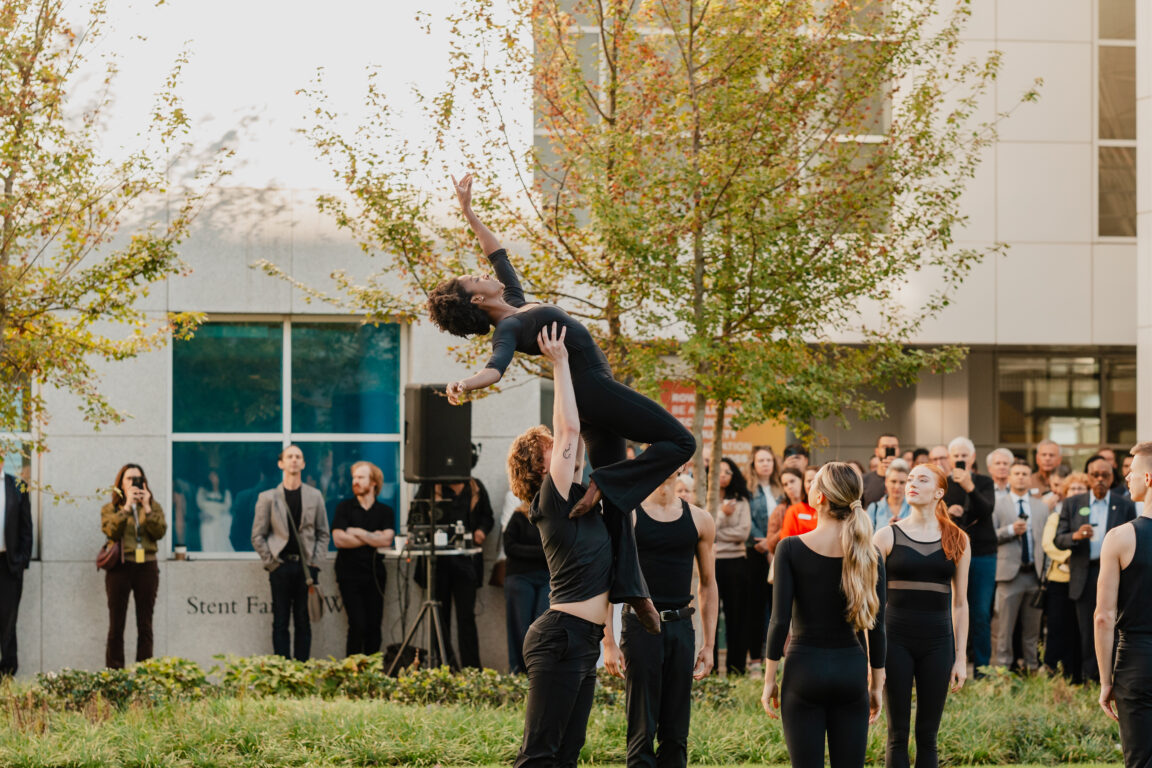
I recently attended the Rowen Foundation’s 2025 Convergence Summit titled “The Science of Art in Discovery, Research, & Innovation” where I heard from scientists, farmers, architects, and community members about the convergence of climate and art. Dr. Marshall Shephard, urban farmer and food activist Jamila Norman, and vice president of The Conservation Fund Stacy Funderburke spoke on a panel discussing “Climate, Consumption, and Conservation.” Partner and Executive Vice President at HKS Architects and Designers, Dr. Upali Nanda, followed with a keynote address on the impacts of our built environments.

For me, it was easier to comprehend the role that visual art plays in treating mental health, but less intuitive to think about the link between climate and art. It turns out, there are many different forms of what can be considered “art” and our natural world is a continual source of aesthetic experiences. For example, in the early morning, I enjoyed the crisp fall air in the courtyard at the Arts Center. As the day progressed, I took breaks from the auditorium to enjoy the afternoon sunshine and surrounding greenery. When I closed my eyes, the woodsy scent of the palo santo stick gifts for the attendees transported me outside of Atlanta. While we may typically think of art only as paintings or music, art is creation in all its forms, including life and social connections. As Jamila Norman said, growing food is really “curating creation.” Farming also creates community as people connect with local growers and learn from others as they plant their own gardens. Short nature walks and gardening can also have positive impacts on our mood and increase neuroplasticity in many of the same ways as art.
Learning about the expansive benefits of nature made me wonder about cities. Surprisingly, our built environment can also have positive impacts – as long as they are intentionally built as spaces for growth. According to Dr. Nanda, we should intentionally structure our city landscapes and neighborhoods to incorporate more greenery, as well as build an environment to nurture awe. She described a recently redesigned campus at University of California, San Diego – which coincidentally was my undergraduate university. I got to experience firsthand the ‘Living and Learning Neighborhood’ she described as having more available walking paths, more third spaces for social interaction, and healthier food choices for students. I know I went out of my way to spend time in that part of campus because it was such a beautiful environment and easy to find a hammock to hang with friends. According to Dr. Nanda, after moving into the neighborhood, students reported more active behaviors, satisfaction with their food choices, and an overall reduction in depression, showing that “design matters…because emotions matter. Designing for emotions is the most powerful thing we can do.”

Art also plays a vital role in nature conservation through storytelling. Effective storytelling is key to shifting people’s opinions, getting them to look at new things and moving them to change. People don’t often respond strongly to plain numbers or statistics, “but what we do respond to is storytelling and individual stories,” claimed conservationist Stacy Funderburke. Jamila Norman mentioned the project Georgia Climate Stories that shows a map with climate stories from Georgia residents. After her panel, I watched the narrative of a blueberry farm impacted by too-warm winters and damaging frost. These powerful stories show people what’s possible and move them to change their habits. Even for me, a scientist with a strong understanding of climate change, the personal impacts of climate change can become obscured. Documentaries can help persuade skeptics that climate change is a fact, but also increase awareness and support nature conservation, such as the preservation of Georgia’s crown jewel, the Okefenokee Swamp.
Next time you go for a hike with your family or even look up at the sky, consider the beauty and art in what you see. Look for a fire rainbow. Look at the ground and see the creation occurring in each patch of dirt, whether it’s weeds growing between cracks in the sidewalk or an urban garden lush with carrots and life.

 Blog
Blog
Sustainability is Shaping the Next Generation of Innovation
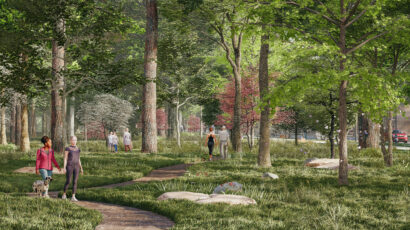
Companies in clean energy, agricultural technology, environmental science and life sciences need campuses that reflect their values. Sustainability has risen to the top of those values, quickly becoming a primary criterion in corporate site selection. In Georgia, Rowen embeds sustainability initiatives into every layer of its development to fulfill this evolving need. Rowen is a 2,000-acre planned knowledge community just east of Atlanta, designed from […]
 Media Coverage
Georgia invests $1B to turn Route 316 into ‘workforce expressway’ between Atlanta and Athens
Originally posted in Atlanta Business Chronicle. A decade from now, a series of stop-and-start intersections along the state highway connecting Atlanta to Athens will be ditched in an effort to improve traffic flow and accommodate growth. Georgia’s Department of Transportation is investing approximately $1 billion into a long-term overhaul of state Route 316. The four-lane […]
 Announcements
Rowen Foundation Announces Leadership Transition
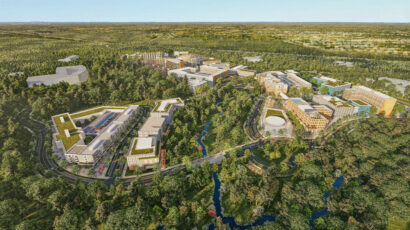
The Rowen Foundation today announced that President and CEO Mason Ailstock will step down after accepting a new opportunity. The Rowen Board of Directors is conducting a national search for Rowen's next president and CEO with the Board anticipating new leadership later this fall.